

Protecting Hearing on the Job: Practical Steps for Noise Exposure and Hearing Conservation
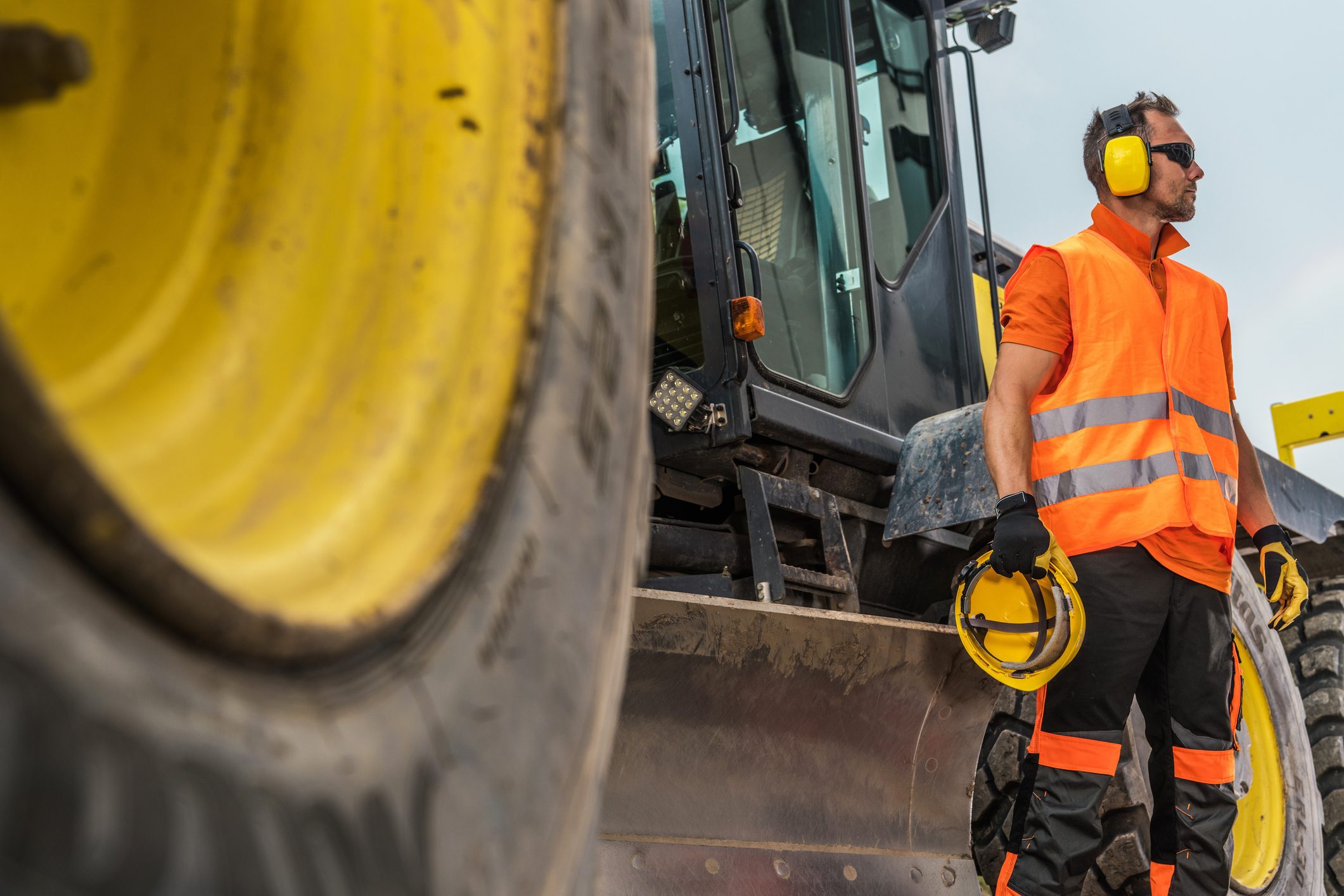
Construction and material production environments are filled with hazards that workers can see. Moving equipment, elevated work areas, and traffic hazards receive constant attention because the risks are obvious. Noise exposure, however, is different. The damage often occurs gradually, making it easy to overlook until permanent hearing loss has already occurred.
Workers in crushed stone operations, asphalt plants, paving crews, and heavy equipment environments are routinely exposed to noise levels capable of causing long term hearing damage. Crushers, screens, conveyors, milling machines, haul trucks, loaders, generators, and impact tools can all contribute to noise exposures that exceed safe limits.
The good news is that hearing loss is largely preventable when companies implement effective hearing conservation practices.
Recognizing the Risk
Many employees assume hearing loss is simply part of working in construction. It does not have to be. Noise levels above 85 decibels over an eight hour workday can damage hearing, and many common construction and aggregate operations regularly exceed that threshold.
Warning signs of excessive noise exposure may include:
- Ringing or buzzing in the ears
- Difficulty understanding conversations
- Muffled hearing after work
- Frequently increasing the volume on radios, televisions, or mobile devices
These symptoms should be taken seriously and reported promptly.
Reducing Noise Exposure
The most effective approach is to reduce noise at its source whenever possible. Proper equipment maintenance, replacement of worn components, installation of mufflers and sound barriers, and consideration of noise levels when purchasing equipment can significantly reduce worker exposure.
Administrative controls also play an important role. Limiting time spent in high noise areas, rotating personnel when practical, and clearly identifying hearing protection zones can help minimize risk.
When noise cannot be adequately reduced, hearing protection becomes essential. Properly fitted earplugs and earmuffs provide effective protection, but only when workers are trained on correct use and wear them consistently.
Building a Strong Hearing Conservation Program
An effective hearing conservation program includes more than simply handing out earplugs. It should include:
- Noise monitoring and exposure assessment
- Employee training and awareness
- Appropriate hearing protection
- Regular evaluation of workplace exposures
- Management commitment and employee participation
Protecting hearing is more than a regulatory requirement. It helps ensure employees maintain their quality of life both on and off the job. Unlike many workplace injuries, hearing loss cannot be reversed.
Taking steps today to control noise and protect workers can help ensure that employees enjoy a lifetime of healthy hearing.
Download the Resource
To help member companies strengthen their hearing conservation efforts, we have developed a one page safety resource on Noise Exposure and Hearing Conservation in Plants, Paving, and Heavy Equipment Operations. Download the guide below.