

Preventing Struck-By Hazards from Shifting Loads
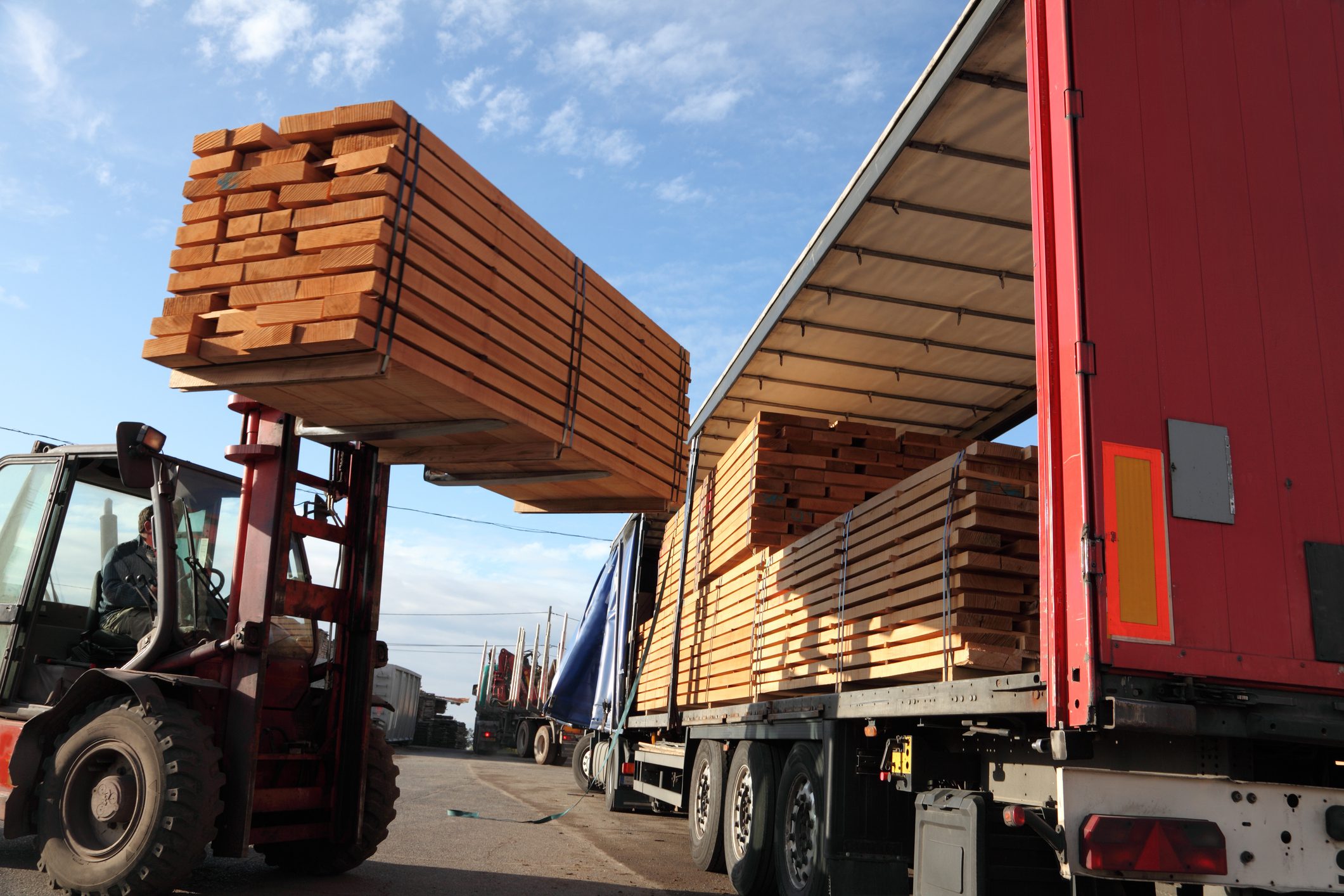
Struck-by incidents remain one of the leading causes of serious injuries across construction, manufacturing, and aggregate operations. Many of these incidents stem from something that seems routine—moving materials. Whether it’s a forklift transporting a pallet, a stack of materials being stored, or a load suspended by slings, the risks increase quickly when loads shift, fall, or become unstable. Fortunately, these incidents are highly preventable with the right planning, equipment practices, and awareness.
Why Shifting Loads Are So Dangerous
Loads don’t have to fall far to cause serious harm. A slight shift in weight, a sudden stop, or an uneven surface can destabilize materials in seconds. Forklifts can tip or drop loads, pallets can collapse, and suspended loads can swing unpredictably.
These hazards are often amplified by:
- Uneven or overloaded materials
- Damaged pallets or rigging
- Poor visibility or communication
- Weather or unstable ground conditions
Understanding how and why loads shift is the first step in preventing injuries.
Key Practices to Reduce Risk
1. Plan Before You Move
Every safe lift or transport starts with a quick assessment. Know the weight, balance, and path of travel. Confirm your equipment can handle the load, and keep routes clear and level. Establish exclusion zones so workers stay out of harm’s way.
2. Operate Equipment the Right Way
Only trained operators should handle forklifts and lifting equipment. Keeping loads low, avoiding sudden movements, and maintaining visibility are simple habits that make a big difference. When visibility is limited, using a spotter adds another layer of safety.
3. Build Stable Loads
A secure load is a safe load. Inspect pallets before use, distribute weight evenly, and use proper wrapping or banding. Avoid stacking materials too high or on unstable surfaces.
4. Use Proper Rigging Techniques
When lifting loads, selecting the right sling and inspecting equipment is critical. Balanced loads and the use of tag lines help control movement and prevent dangerous swings. And one rule never changes: never stand under a suspended load.
5. Stay Aware and Communicate Clearly
Busy jobsites demand constant awareness. Clear hand signals, radios, and designated walkways help reduce confusion and keep workers separated from moving loads.
6. Adjust for Changing Conditions
Weather and ground conditions can quickly increase risk. Wet, icy, or uneven surfaces affect both equipment stability and load control. When conditions change, slow down—or stop work if needed.
Turning Awareness into Action
Preventing struck-by incidents isn’t about one big change—it’s about consistently applying small, smart practices every day. When teams take the time to plan, inspect, communicate, and stay alert, they dramatically reduce the chances of a serious incident.
To help reinforce these practices, we’ve created a concise, easy-to-use safety document that can be shared with crews, discussed in toolbox talks, or posted on-site. Access the full English and/or Spanish documents below. Use these materials to support safer work practices and keep your team protected on every job.