

Make Near Miss Reporting Work in the Real World
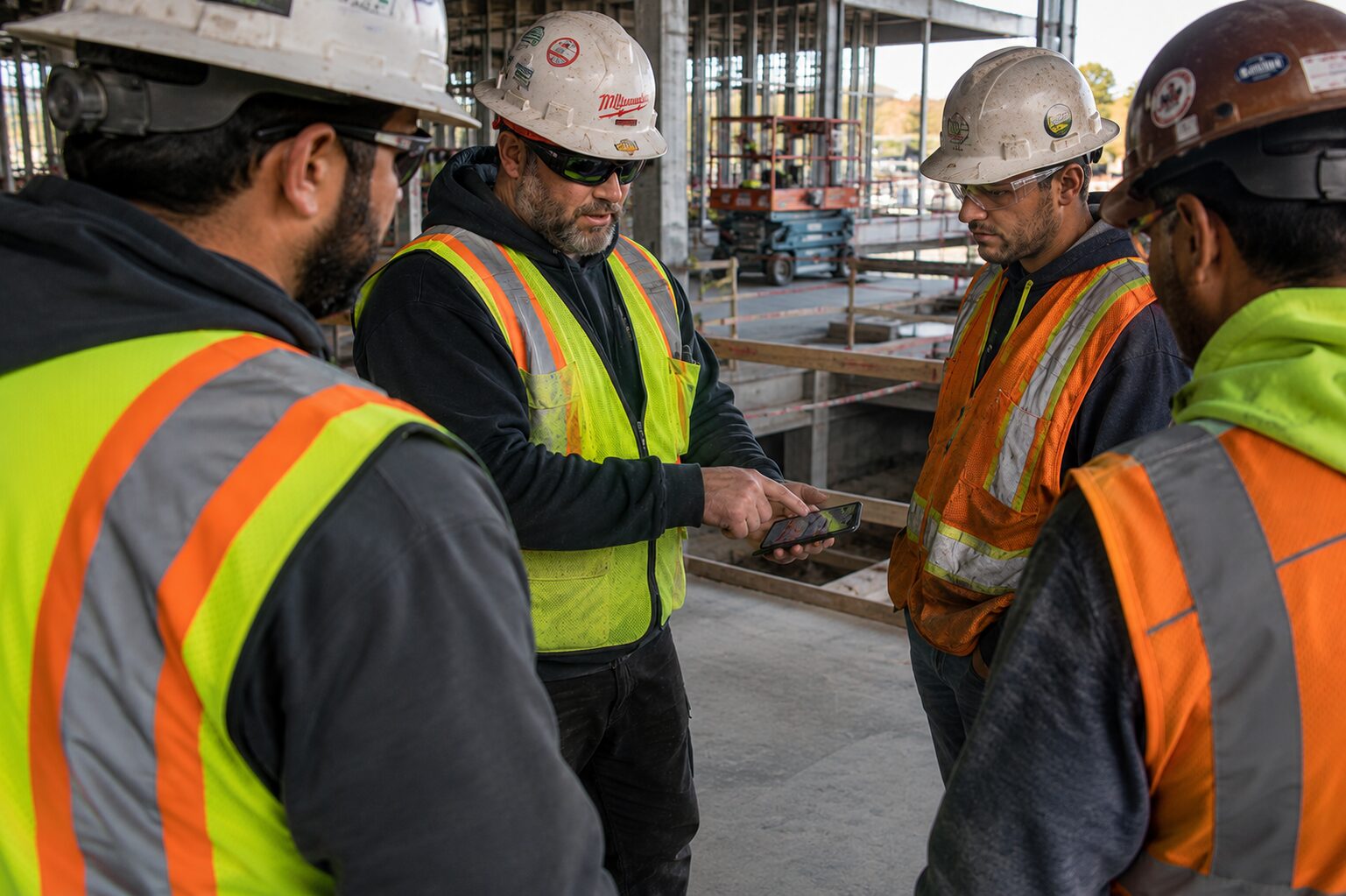
In construction, some of the most valuable safety lessons come from incidents where nobody was hurt. Near misses provide an opportunity to identify hazards, improve planning, and correct unsafe conditions before a serious injury or loss occurs. Unfortunately, many near miss reporting programs fail because they are too complicated, time consuming, or disconnected from the realities of field operations. A successful near miss reporting process does not need to be complex. In fact, the most effective systems are usually the simplest.
Our latest safety resource, Near Miss Reporting That Crews Actually Use: Simple Forms, Feedback Loop, Closeout, outlines practical ways construction companies can improve participation and build trust in the reporting process. The document focuses on three key elements that make near miss reporting programs successful:
- Simple reporting forms that crews can complete quickly
- A visible feedback process so workers see action being taken
- Consistent closeout of corrective actions to maintain credibility
The guide also discusses why workers stop reporting hazards and what supervisors and safety managers can do to encourage meaningful participation in the field. Whether your organization is building a new reporting program or improving an existing one, this resource provides practical ideas that can be implemented immediately on active projects. Download the resource below.
Strong reporting cultures are built on trust, responsiveness, and practical systems that crews will actually use. Small improvements in reporting processes can lead to major improvements in safety performance, communication, and operational awareness across the jobsite.