

A Smarter Approach to Head Protection in Construction
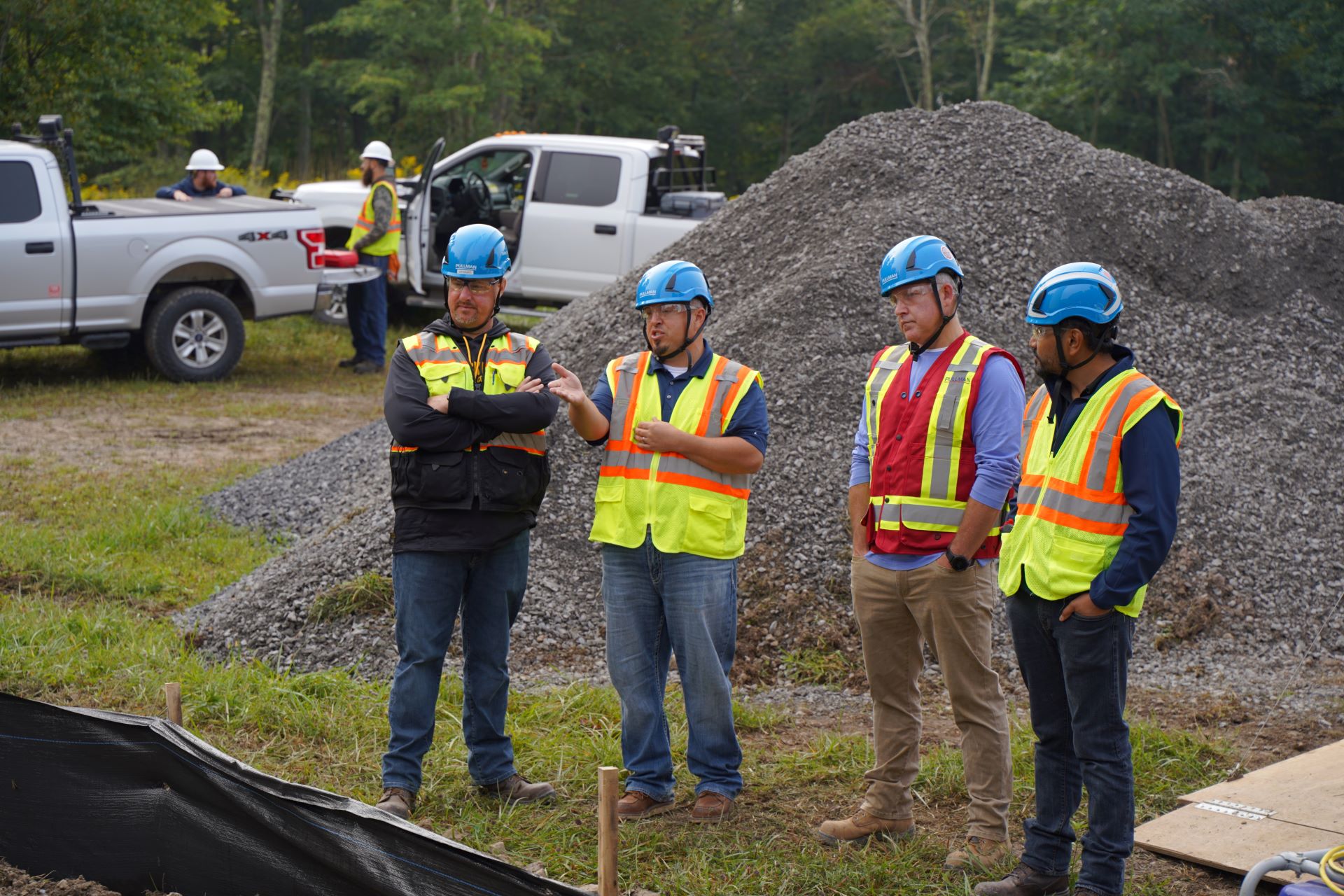
Construction safety has always evolved alongside lessons learned in the field. From fall protection to advanced PPE, the industry continues to raise the bar to protect workers from life-altering injuries. One area now gaining well-deserved attention is head protection—specifically, the shift from traditional hard hats to modern safety helmets.
The Hard Hats to Helmets (H2H) initiative is helping lead this conversation by providing construction professionals with research, real-world examples, and practical guidance on why and how to make this transition.
Why Head Protection Needs a Rethink
Traditional hard hats were designed decades ago, primarily to protect against vertical impacts from falling objects. While they still meet minimum regulatory requirements, jobsite hazards today extend far beyond that single risk scenario.
According to industry data highlighted by Hard Hats to Helmets, traumatic brain injuries (TBIs) remain a major contributor to construction fatalities and serious injuries—often caused by slips, trips, falls, and lateral impacts where hard hats may not stay in place or provide sufficient protection.
In short: compliance does not always equal optimal protection.
What Makes Safety Helmets Different?
Modern construction safety helmets are designed with a broader range of hazards in mind. Compared to traditional hard hats, helmets typically offer:
- Full-coverage impact protection, not just at the top of the head
- Energy-absorbing liners that reduce force transferred to the brain
- Chin straps that keep protection securely in place during falls or sudden movement
Hard Hats to Helmets emphasizes that these design improvements directly address the most common causes of serious head injuries on today’s jobsites.
Industry Momentum Is Growing
One of the most compelling aspects of the Hard Hats to Helmets resource is its focus on real-world adoption. Contractors, owners, and safety leaders across the industry are already integrating helmets into their PPE programs—not as a future concept, but as a present-day solution.
The website highlights:
- Contractor testimonials
- Case stories where helmets made a measurable difference
- Examples of how organizations managed change, worker acceptance, and rollout
For safety managers, this peer-driven evidence can be invaluable when making the case internally.
Practical Resources for Safety Leaders
Hard Hats to Helmets is more than an advocacy platform—it’s a working resource for construction safety professionals. The site provides information on:
- Head protection standards and regulatory context
- Helmet performance considerations
- Vendor and product guidance
- Training and communication best practices
These tools help safety teams move beyond “why” and into “how”—how to evaluate helmets, how to implement them, and how to engage the workforce effectively.
What This Means for Your Safety Program
For construction professionals responsible for worker protection, the message is clear: it’s time to evaluate whether your current head protection strategy truly aligns with today’s risks.
Actionable next steps include:
- Reviewing current PPE policies with a focus on fall and lateral impact risks
- Engaging workers early to address comfort, fit, and usability
- Using industry research and peer examples to support leadership buy-in
- Ensuring training emphasizes proper helmet use, including chin strap engagement
Moving Forward
The goal of Hard Hats to Helmets is simple but powerful: reduce preventable head injuries and save lives. By offering education, evidence, and practical guidance, the initiative gives construction leaders the tools they need to make informed decisions about head protection—decisions that can have lasting impacts on workers, families, and companies alike. If your organization is serious about advancing safety beyond minimum compliance, Hard Hats to Helmets is a resource worth exploring.
For more information, please download the accompanying resource below and/or visit https://www.hardhatstohelmets.org.