Temporary Structure Stability: Proper Bracing and Shoring
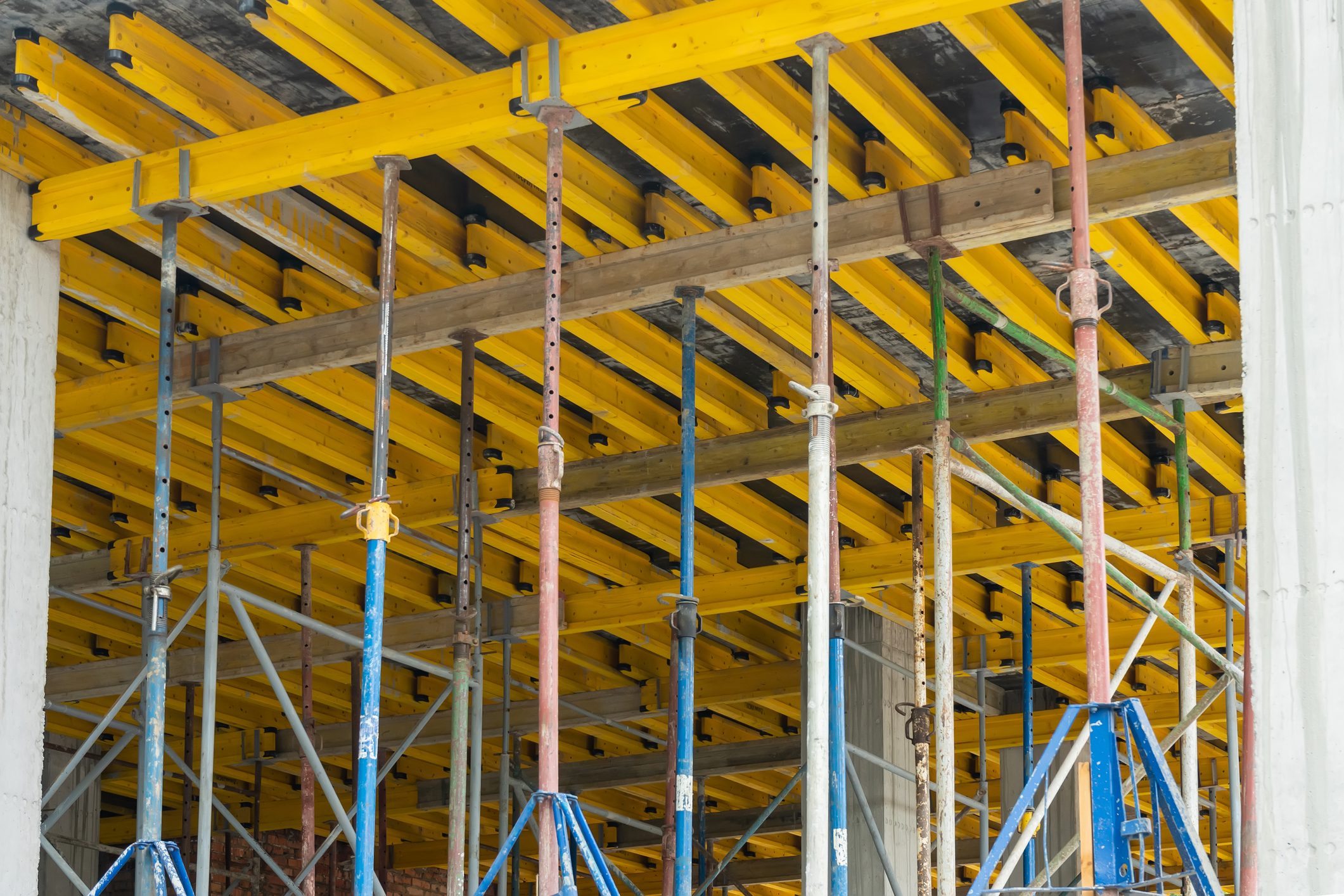
Temporary structures are everywhere on construction sites—formwork, shoring, reshoring, braces, and other temporary supports make critical work possible. Yet these systems are also a leading cause of serious injuries and fatalities when they fail.
What makes temporary structure failures especially dangerous is how suddenly they occur. In many cases, collapse is traced back to a few common issues: missing or inadequate bracing, overloading, unstable foundations, or field changes made without approval. The takeaway is clear—temporary works must be treated as engineered life-safety systems, not improvised solutions.
Understanding Temporary Structure Stability
At a minimum, temporary structures must be able to safely resist:
- Vertical loads, such as fresh concrete, reinforcing steel, workers, tools, and equipment
- Lateral loads, including wind, concrete pressure, vibration, and equipment contact
- Unbalanced conditions, such as partial concrete pours, uneven loading, settlement, and sequencing changes
A simple rule applies: if removing a single component—like a brace or shore—could cause collapse, the system lacks redundancy and presents a serious hazard.
The Role of Proper Bracing
Effective bracing is continuous, fully connected, and anchored to structural elements capable of resisting the intended loads. Triangulation (such as X-bracing or knee bracing) is essential to prevent racking and instability.
Failures often occur when braces are missing at corners or ends, installed at shallow angles, attached to non-structural elements, or removed to improve access. Bracing systems should be clearly marked—especially critical “DO NOT REMOVE” braces—and reinspected after wind events, impacts, or layout changes.
Shoring and Reshoring: Getting the Load Path Right
Shoring and reshoring systems must use rated, compatible components and be installed plumb and aligned. Leaning shores lose capacity quickly, and weak base support can undermine an otherwise well-designed system.
A continuous load path—from slab to ground or to lower levels—is essential. During reshoring operations, crews must follow the engineered stripping and reshoring sequence and maintain supports until concrete reaches the required design strength. Stockpiling materials on green or partially supported slabs remains a common and dangerous mistake.
Formwork Stability During Concrete Placement
Fresh concrete applies significant lateral pressure, which varies based on placement rate, slump, temperature, and vibration. Formwork must be designed for these conditions, and all ties, walers, and strongbacks must be installed as specified—without substitutions.
Unexpected movement, bulging, settlement, loose connections, or unusual noises are clear warning signs. When they appear, work should stop immediately until the issue is evaluated and corrected.
Collapse Prevention Is a Team Responsibility
Preventing collapse requires planning, inspections, and discipline throughout the job:
- Before work begins, temporary works plans should be reviewed, soil conditions verified, and all bracing and shoring fully installed.
- During work, loads must be controlled, bracing maintained, inspections performed after weather or impacts, and exclusion zones enforced.
- Before removal, concrete strength must be verified and approved stripping or reshoring sequences followed.
Clear roles matter. Competent persons inspect and authorize changes, foremen control sequencing and loading, safety managers verify plans and training, and every worker is responsible for
reporting movement or instability immediately.
Bottom Line
Temporary bracing and shoring are not optional conveniences—they are critical life-safety systems. When they are properly designed, installed, inspected, and protected from unapproved changes, the risk of collapse drops dramatically. When they are not, the consequences can be severe.
📄 Download the one-page PDF resource
To support jobsite planning, training, and toolbox talks, we’ve created a concise one-page guide [available in English and Spanish] on Temporary Structure Stability, including bracing, shoring, and collapse prevention. Download the PDF resource below.