

Safe Material Storage: Building Safer, More Efficient Jobsites
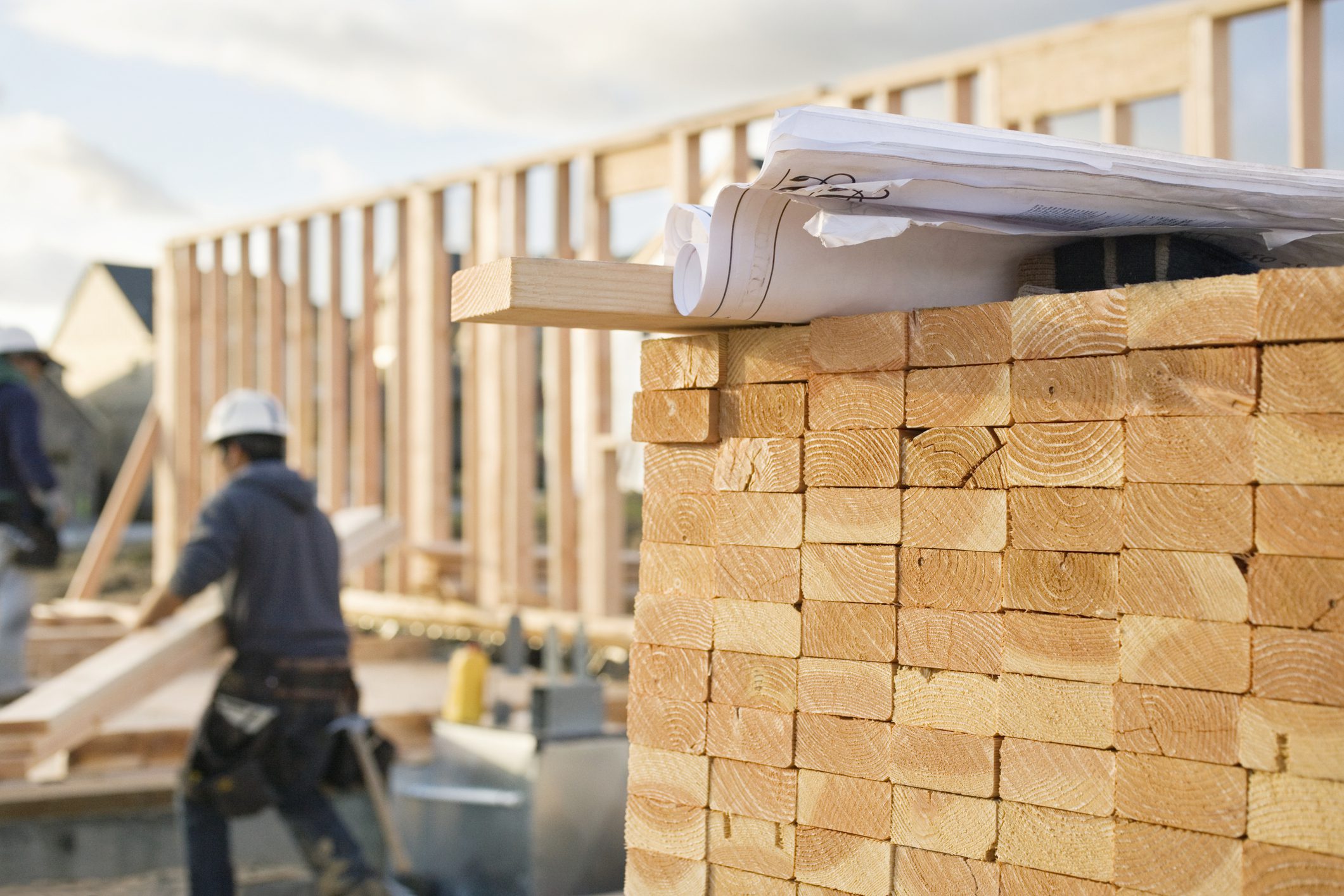
In construction, safety and productivity go hand in hand, and one of the most overlooked factors influencing both is how materials are stored and stacked. Whether you’re managing a large material yard, coordinating an active jobsite, or building homes in tight residential spaces, poor storage practices can quickly lead to injuries, delays, and unnecessary costs. That’s why having a clear, consistent approach to material storage isn’t just a best practice but an essential.
Why Material Storage Matters
Improperly stored materials are a leading contributor to common jobsite hazards, including:
- Struck-by incidents from shifting or falling materials
- Stack collapses due to overloading or instability
- Fire risks from poorly separated materials
- Trip and fall hazards caused by clutter and disorganization
Beyond safety risks, disorganized storage slows down crews, increases material damage, and creates inefficiencies that impact the entire project timeline.
The Foundation: Simple, Effective Safety Principles
Safe material storage starts with a few core principles that apply across every type of project:
- Stability: Materials should always be stacked securely on level surfaces to prevent movement or collapse.
- Accessibility: Frequently used items should be easy to reach to reduce unnecessary handling and strain.
- Segregation: Keep incompatible materials—like flammables or fragile items—properly separated.
- Housekeeping: Clean, organized storage areas reduce hazards and improve workflow.
When these basics are consistently applied, they create a safer and more efficient environment for everyone on site.
Adapting to Different Work Environments
No two jobsites are the same, and storage practices must adapt accordingly.
- Material Yards: With high volumes and heavy equipment in play, organization is critical. Clearly defined storage zones, safe stacking heights, and traffic control measures help prevent incidents and keep operations running smoothly.
- Active Jobsites: Limited space and constantly changing conditions require flexibility. Storing materials close to work areas, securing unstable items, and planning storage as part of site logistics can significantly reduce handling risks and congestion.
- Residential Builds: Tighter spaces and public interaction introduce additional challenges. Compact storage solutions, secure material placement, and daily cleanup routines are key to maintaining both safety and professionalism in neighborhood settings.
The Role of Training and Accountability
Even the best plans won’t work without proper execution. Crews need to understand safe stacking techniques, recognize hazards, and take ownership of maintaining organized storage areas. Regular inspections and consistent enforcement from supervisors help ensure standards are followed every day—not just during audits.
A Safer Site Starts with Smarter Storage
Safe material storage and stacking aren’t just about compliance—they’re about protecting your workforce, improving efficiency, and keeping projects on track. By taking a proactive approach and applying consistent practices across all types of jobsites, contractors can reduce risk while creating more productive, well-organized work environments. Download the full resource to get detailed guidance and practical tips you can apply on your next project.