

Protecting Hands on the Job: Preventing Line-of-Fire & Pinch Point Injuries
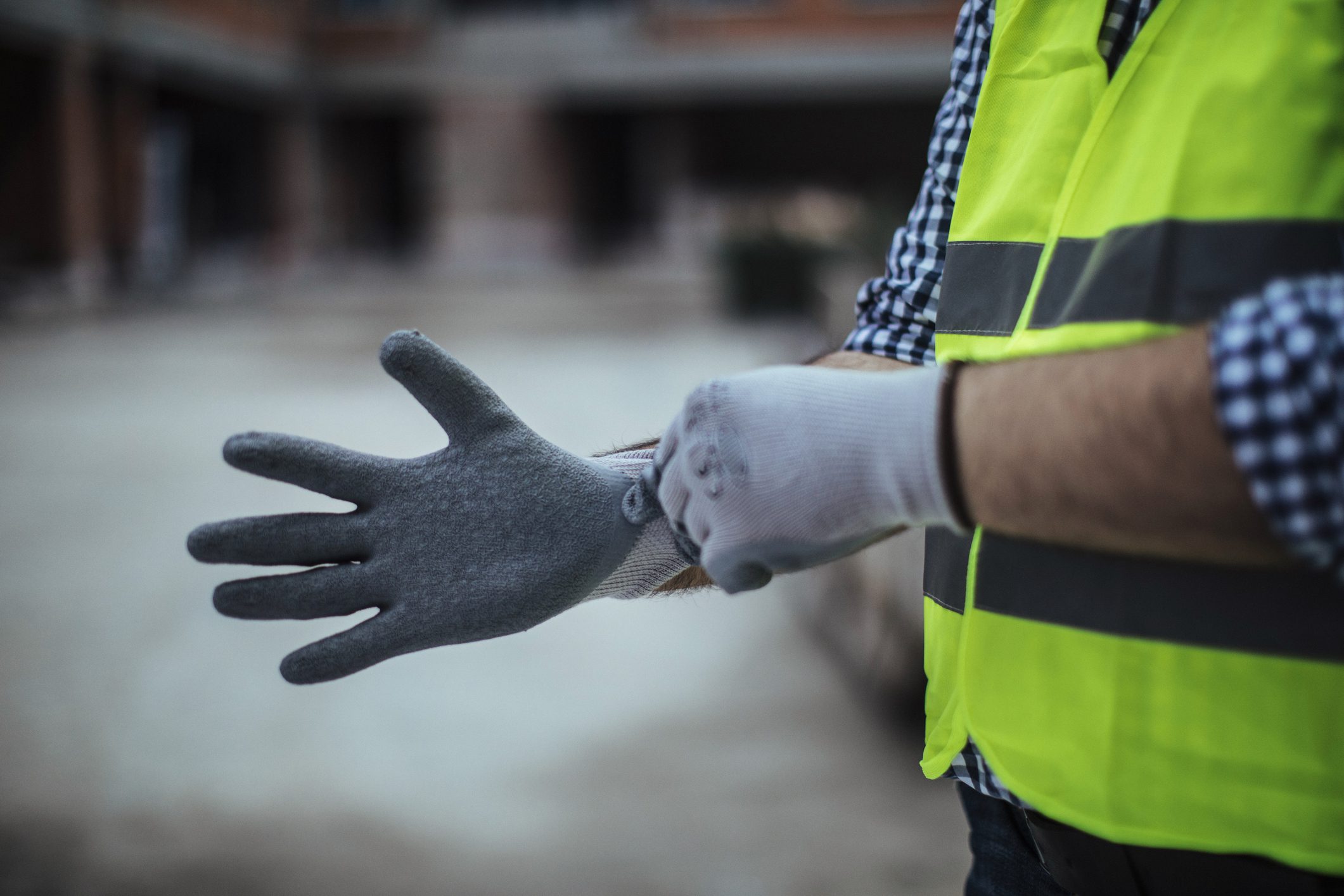
In construction and heavy industry, hands are essential tools. From rigging and setting materials to operating equipment and performing maintenance, nearly every task depends on skilled, capable hands. Unfortunately, hand and finger injuries remain among the most common—and most preventable—incidents on jobsites. The good news? With better hazard recognition, smarter positioning, and the right glove selection, many of these injuries can be eliminated.
Our new one-page resource, “Hand & Finger Injury Prevention: Line-of-Fire Awareness, Pinch Point Control & Proper Glove Selection,” provides practical, field-ready guidance to help crews and safety leaders reduce risk immediately.
Why Hand Injuries Happen
Most hand injuries occur during routine work:
- Material handling
- Equipment operation
- Maintenance tasks
- Tool use
- Final alignment and positioning activities
These aren’t unusual situations. They’re everyday tasks—often performed when crews are comfortable, moving quickly, or making small “fine-tuning” adjustments. That’s when exposure increases. The resource focuses on three major contributors to serious hand injuries.
1. Line-of-Fire Hazards
A line-of-fire hazard exists any time hands are placed in the path of moving equipment, shifting materials, or stored energy.
Common examples include:
- Guiding suspended loads by hand
- Reaching into energized or rotating machinery
- Positioning hands between materials and fixed structures
- Working near tensioned cables or hydraulic systems
The key shift is mindset: Keep hands out of the path. Use taglines, alignment tools, and mechanical aids instead of fingers. Before starting work, ask: If this moves unexpectedly, where will my hands go? A brief task-level hazard assessment can dramatically reduce exposure.
2. Pinch Points
Pinch points occur when two objects move together and create a crushing hazard. These risks are especially common during:
- Setting pipe, steel, forms, or block
- Coupling attachments
- Working between equipment and structures
- Final positioning tasks
The rule is simple: If materials require fine-tuning, use a tool—or change the process. Slowing down during placement and maintaining clear communication between operators and ground personnel are two of the most effective preventive measures.
3. Proper Glove Selection
Gloves are critical—but only when matched correctly to the hazard. The resource outlines how to select gloves based on:
- Cut resistance (ANSI-rated)
- Abrasion protection
- Chemical exposure
- Cold weather conditions
- Electrical hazards
It also highlights common mistakes, such as wearing loose gloves around rotating equipment or failing to replace damaged PPE. The right glove balances protection and dexterity—because protection that limits safe performance can introduce new risks.
Leadership Makes the Difference
Reducing hand injuries isn’t just about PPE—it’s about culture.
Effective safety programs:
- Integrate hand safety into daily job hazard analyses
- Review near misses in toolbox talks
- Empower workers to stop work when exposure exists
- Model safe positioning and behaviors at every supervisory level
When leadership reinforces these expectations, crews respond.
A Simple Three-Question Habit
Before starting any task, encourage teams to ask:
- Where is the line of fire?
- Where are the pinch points?
- Do I have the right gloves for this job?
These three questions can prevent life-altering injuries.
Download the Resource Below
Our one-page Hand & Finger Injury Prevention guide is designed for easy distribution—perfect for toolbox talks, onboarding materials, and safety meetings. Protecting hands protects productivity, morale, and lives. Safe hands build strong projects.