

Managing Hazards on Multi-Employer Jobsites
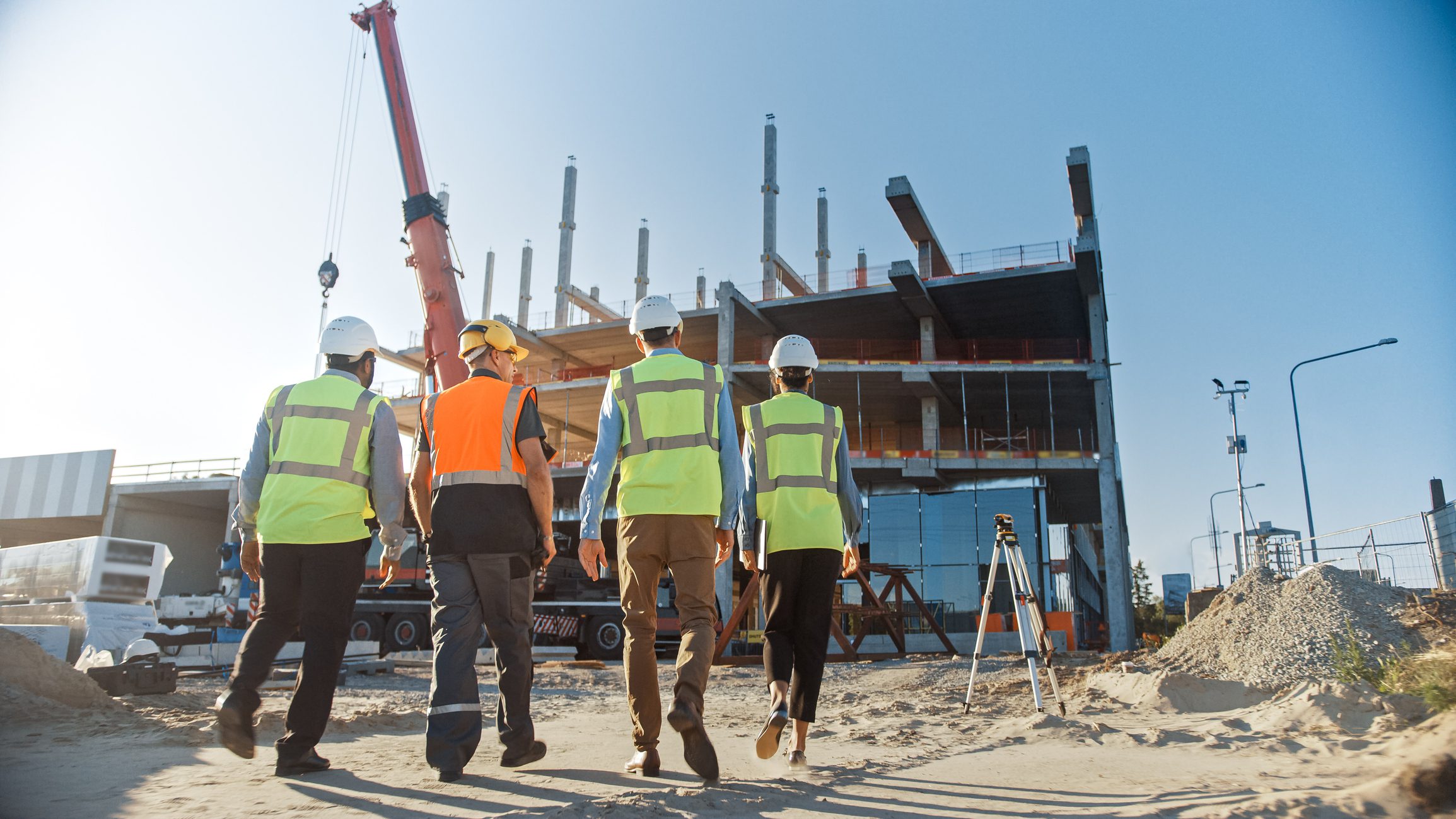
On today’s construction sites (whether vertical builds or highway projects), multiple employers, trades, and crews often work simultaneously in shared spaces. While this overlap is necessary to meet schedules and maintain productivity, it also introduces a critical category of risk: interface hazards.
These hazards don’t come from a single task or trade. They develop at the points where work activities intersect—when a delivery truck enters an active work zone, when two subcontractors operate in close proximity, or when workers and equipment share the same access route. Without deliberate coordination, these everyday interactions can quickly lead to struck-by incidents, equipment conflicts, and communication breakdowns.
NOTE: You can find links at the bottom of this article to download English and/or Spanish versions of a one-page resource that summarizes these best practices. Please feel free to print, distribute, and reference this resource for toolbox talks and/or safety meetings.
Why Interface Hazards Deserve More Attention
Interface hazards are often underestimated because they’re not always obvious during initial planning. Each contractor may be managing their own scope effectively, but risk increases when those scopes overlap without alignment.
For example:
- A concrete crew and an electrical subcontractor may both be scheduled in the same area, creating congestion and conflicting priorities.
- Delivery vehicles may arrive during peak activity, increasing exposure to moving equipment and pedestrian traffic.
- Shared access points—like haul roads or laydown yards—can become unpredictable if rules aren’t clearly defined and enforced.
These aren’t unusual situations—they’re daily realities on most jobsites. The difference between a safe operation and a serious incident often comes down to how well these interfaces are managed.
Establishing Clear Roles on a Shared Jobsite
One of the most important steps in controlling interface hazards is defining who is responsible for coordination. Typically, the controlling employer—often the general contractor or construction manager—sets the tone by establishing site-wide expectations for safety, communication, and scheduling.
That said, responsibility doesn’t stop there. Every employer on site must:
- Protect their own workforce
- Avoid creating hazards for others
- Communicate planned activities that could impact adjacent work
Clarity upfront—before work begins—helps prevent confusion later when conditions change or conflicts arise.
Planning Work with Interfaces in Mind
Effective coordination starts long before crews arrive on site. Planning should go beyond individual scopes and focus on how work will interact over time and space.
Short-interval scheduling (weekly or daily look-ahead plans) is especially useful for:
- Identifying overlapping tasks
- Adjusting sequences to reduce congestion
- Separating high-risk activities, such as heavy equipment operation and pedestrian work
Incorporating delivery schedules into this planning is equally important. Material drop-offs should be timed and routed to avoid interfering with critical operations or exposing workers unnecessarily.
Strengthening Subcontractor Coordination
Subcontractors play a central role in managing interface risks because they are often working side by side. Strong coordination practices include:
- Site orientations that emphasize shared hazards—not just company-specific rules
- Daily briefings that highlight current conditions and potential conflicts
- Open communication channels for reporting issues early
Encouraging crews to speak up about conflicts—before work begins—can prevent small issues from escalating into serious hazards.
Managing Deliveries, Traffic, and Shared Spaces
Some of the highest-risk interfaces involve movement—of vehicles, equipment, and people.
To reduce these risks:
- Establish designated delivery times and routes
- Use signage, barriers, and trained spotters to separate vehicles from workers
- Clearly define shared spaces like access roads and laydown areas
Simple controls—like right-of-way rules or clearly marked pathways—can make a significant difference in reducing confusion and preventing incidents. On highway and infrastructure projects, aligning these practices with traffic control plans is especially critical, as public exposure adds another layer of complexity.
Communication, Monitoring, and Continuous Improvement
Even the best plans need to be reinforced through consistent communication and oversight. Regular coordination meetings, updated schedules, and visible site controls help keep everyone aligned.
Field supervision should focus not just on individual tasks, but on where work overlaps. Inspections that target these interface points can catch issues early. Tracking near misses—especially those involving multiple trades or shared zones—also provides valuable insight for improving future planning.
Moving Toward Safer, More Efficient Jobsites
Interface hazards are a natural part of multi-employer construction—but they don’t have to result in incidents. With thoughtful planning, clear accountability, and ongoing communication, these risks can be effectively controlled.
At its core, managing interface hazards is about recognizing that no task happens in isolation. When teams coordinate their work—not just their own responsibilities—jobsites become safer, more predictable, and more productive for everyone involved.
OSHA Considerations
Be sure to consult OSHA regulations on multi-employer worksites, if applicable.
If your organization is looking to strengthen coordination practices or improve how shared risks are managed in the field, now is a great time to start the conversation.