

Hidden Hazards Above and Below: Attics and Crawl Spaces
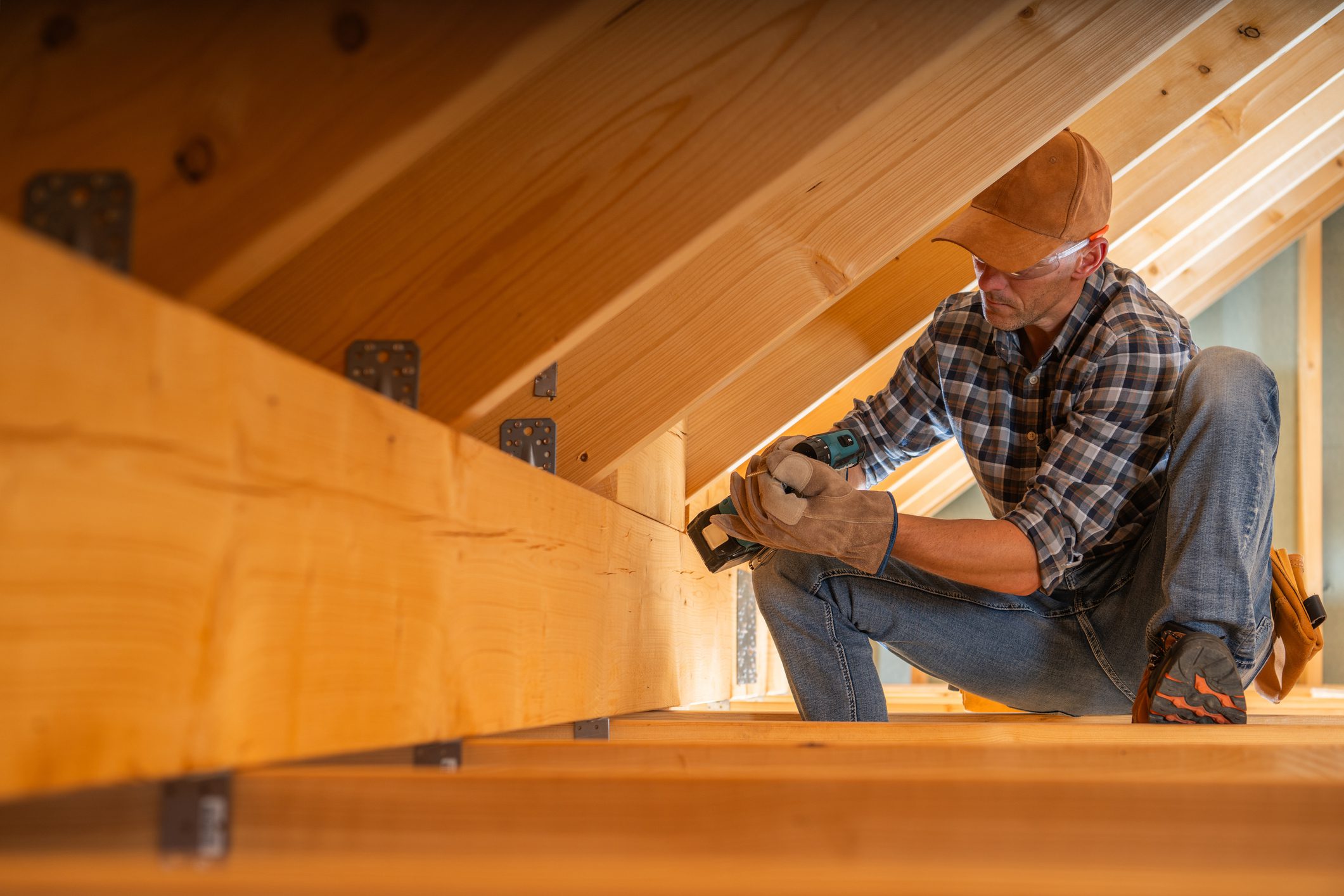
Attics and crawl spaces are some of the most challenging and overlooked environments on the jobsite. With tight quarters, poor visibility, and hidden dangers, they pose serious risks to even the most experienced workers. That’s why the newly released guide “Working Safely in Attics & Crawl Spaces” is a must-read for contractors, technicians, and safety teams alike.
Why It Matters
These spaces often contain structural instability, pests, mold, extreme heat, and unexpected electrical hazards — all in confined environments that can easily become dangerous without warning. This guide outlines how to identify risks early, equip yourself properly, and work smarter in these unique environments.
Key Safety Tips at a Glance
🛑 General Precautions
- Conduct a Hazard Assessment before entry.
- Communicate your location and expected time in the space with your team.
🧰 Personal Protective Equipment (PPE)
- Respirator or dust mask for insulation and dust.
- Hard hat for head protection in low-clearance areas.
- Coveralls, gloves, knee pads, and safety glasses for full-body protection.
🔼 Working in Attics
- Step only on joists or secured platforms—never insulation or unsupported drywall.
- Ventilate properly to combat heat and fumes.
- Use portable lighting to reduce tripping hazards.
- Hydrate and rest to prevent heat exhaustion in extreme temperatures.
🔽 Working in Crawl Spaces
- Inspect for mold and standing water.
- Test the air quality for low oxygen or toxic gases.
- Watch for wildlife, including rodents and insects.
- Keep entrances clear for a quick escape if needed.
⚡ Electrical & Tool Safety
- Lockout/Tagout any nearby circuits.
- Manage cords to avoid tripping or moisture damage.
- Use battery-operated tools to minimize electrocution risks.
Stay Sharp in Tight Spaces
Tight spaces come with hidden hazards — stay alert, work smart, and always prioritize safety. Whether you’re installing insulation, repairing wiring, or inspecting foundations, this resource can help you prevent injuries and stay compliant with OSHA’s Confined Space Standards (29 CFR 1926 Subpart AA).